

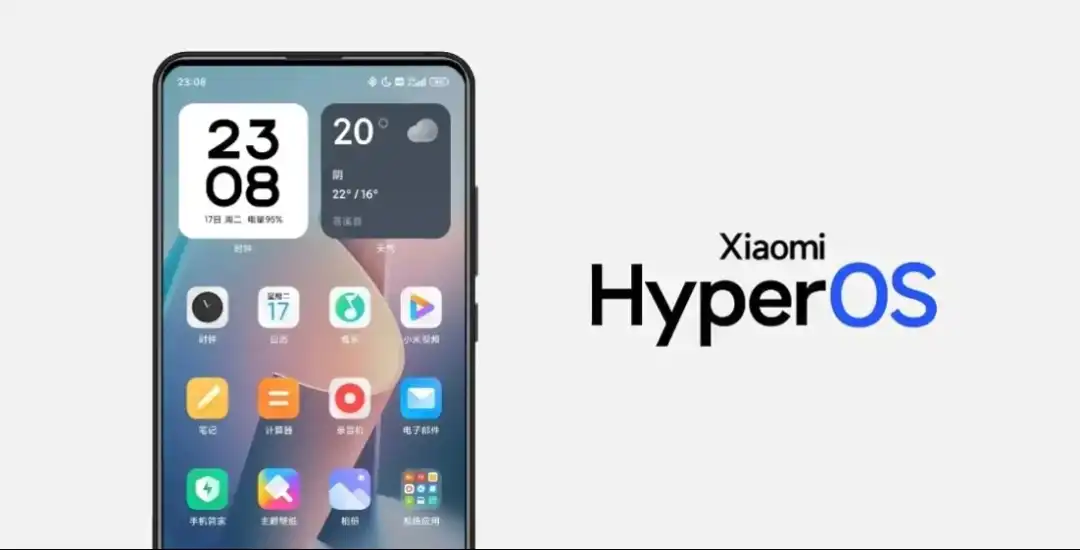
Xiaomi HyperOS 3.1 is Xiaomi’s latest next-generation operating system update, designed to replace MIUI with a faster, smarter, and more connected user experience. With performance boosts, smoother animations, smarter AI features, and better battery optimization, HyperOS aims to deliver a premium Android-based experience across Xiaomi, Redmi, and Poco devices.
In this blog, we’ll explain what Xiaomi HyperOS is, what’s new in HyperOS 3.1, release dates, update details, features for Xiaomi 11i, Poco F3 GT, Redmi 12, and whether this update is worth installing.


What is Xiaomi HyperOS?
Xiaomi HyperOS is Xiaomi’s new operating system built on Android, created to improve system speed, device connectivity, UI smoothness, and AI integration. It replaces MIUI and focuses on creating a seamless ecosystem across phones, tablets, smart TVs, wearables, and IoT devices.
HyperOS is designed to be:
Faster than MIUI
Lighter on storage
Better for battery life
More secure
More visually modern
Apple iPhone 16 Pro- Amazing Features, Annoying Flaws
What is the Latest Version of Xiaomi HyperOS?
The latest version is Xiaomi HyperOS 3.1, following earlier versions like HyperOS 1.0, 1.0.1.0, and 1.0.3.0.
This update focuses on:
Speed improvements
Better multitasking
New customization tools
AI smart features
Gaming optimization
iPhone 17 Pro Max Apple – Full Details, Features, Price, and Why You Should Buy It in 2025
Xiaomi HyperOS 3.1 New Features (Complete List)
Here are the top new features in Xiaomi HyperOS 3.1:
- Faster Performance & System Optimization
Apps open quicker, animations feel smoother, and background processes use less memory.
- New Smooth UI Animations
More fluid transitions, refined lock screen animations, and premium visual effects.
- Improved Battery Efficiency
Better battery management extends screen-on time and reduces background drain.
- AI-Powered Smart Features
Includes smart app suggestions, AI photo editing improvements, and voice enhancements.
- Advanced Gaming Mode
Better FPS stability, reduced lag, and improved temperature control.
- Enhanced Privacy & Security
New app permission controls, better data protection, and privacy dashboards.
- Redesigned Control Center
Cleaner layout, easier toggles, and improved brightness & sound controls.
- Smart Device Connectivity
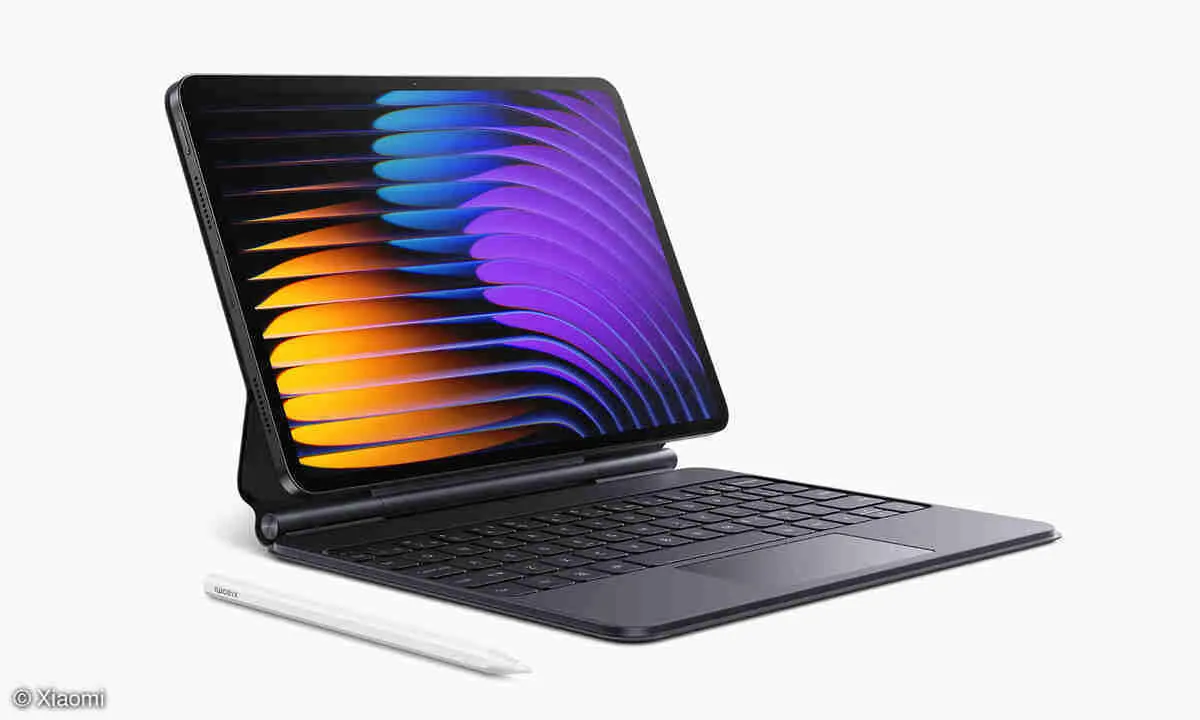
Improved integration with Xiaomi smart home devices, tablets, and laptops.
- Better Camera Optimization
Improved HDR, night mode tuning, and video stabilization enhancements.
- New Always-On Display Styles
More clock styles, wallpapers, and interactive effects.
- New Widgets & Lock Screen Customization
More customizable widgets and lock screen personalization options.
- Improved App Launch Speed
Apps open faster and consume less system RAM.
- Reduced System Storage Usage
HyperOS 3.1 takes less space than older MIUI builds.
- Better Network & 5G Stability
More stable WiFi, stronger mobile data performance, and improved 5G reliability.
- Bug Fixes & Stability Improvements
Fewer crashes, smoother UI, and overall better reliability.

Xiaomi HyperOS 1.0.3.0 & HyperOS 1.0.1.0 Features
Earlier versions introduced:
Faster boot time
Lightweight system core
Basic UI redesign
Performance improvements
Improved memory management
Better battery life
Smoother scrolling and gestures
HyperOS 3.1 builds on these improvements with even better speed, polish, and stability.
Is Xiaomi HyperOS Based on Android?
Yes. Xiaomi HyperOS is based on Android, meaning it supports Android apps, Play Store, Google services, and Android security updates.
Is Xiaomi HyperOS Good or Bad? (Positive & Negative Sentiment)
Positive Points:
Faster than MIUI
Better battery life
Smooth animations
Clean UI
Better gaming performance
Strong ecosystem integration
Negative Points
Some bugs in early rollout
Not all features available on older devices
Minor app compatibility issues on select models
Overall sentiment: Mostly Positive — HyperOS is a solid upgrade over MIUI.
Xiaomi HyperOS 3.1 Release Date & Update Timeline
Expected release timeline:
Global rollout: 2024–2025
India rollout: Late 2024 to Early 2025
Xiaomi HyperOS 3.1 expansion: 2025 onward
Updates are released in phases, so availability depends on region and device model.
Xiaomi HyperOS Update List in India (Expected Devices)

Supported devices may include:
Xiaomi 11i
Xiaomi 12 / 13 Series
Redmi 12
Redmi Note 12 / 13 Series
Poco F3 GT
Poco X / F Series
Select Redmi budget models
Xiaomi 11i HyperOS Update — What’s New?
For Xiaomi 11i, HyperOS brings:
Faster UI
Better battery efficiency
Camera tuning improvements
Gaming performance boost
New lock screen features
Poco F3 GT HyperOS 1.0.1.0 & 3.1 Features
Poco F3 GT users get:
Improved gaming stability
Thermal optimization
Better frame rate consistency
Faster app loading
System smoothness enhancements
Redmi 12 HyperOS Features
Redmi 12 benefits include:
Lightweight UI
Performance boost
Improved battery optimization
Refreshed visuals
Faster system navigation
Xiaomi HyperOS 3.1 Download & Update Method
To update:
- Open Settings
- Tap About Phone
- Select System Update
- Download and install HyperOS update
Updates roll out gradually, so not all users get it at the same time.
Is Xiaomi HyperOS 5G Supported?
Yes. HyperOS supports 5G and improves network stability and mobile performance on compatible devices.
Final Verdict — Should You Update to Xiaomi HyperOS 3.1?
If you want:
Faster performance
Better battery life
Cleaner UI
Improved gaming
Smarter AI features
Then Xiaomi HyperOS 3.1 is a highly recommended upgrade.
It represents a major step forward from MIUI, offering a more premium, smooth, and future-ready smartphone experience